If you own a local business or manage the website of one, you've probably noticed that getting to the top of local searches requires a very different approach than trying to rank nationally. Let's take a look at the most influential ranking factors as well as how they have changed in the last few years.
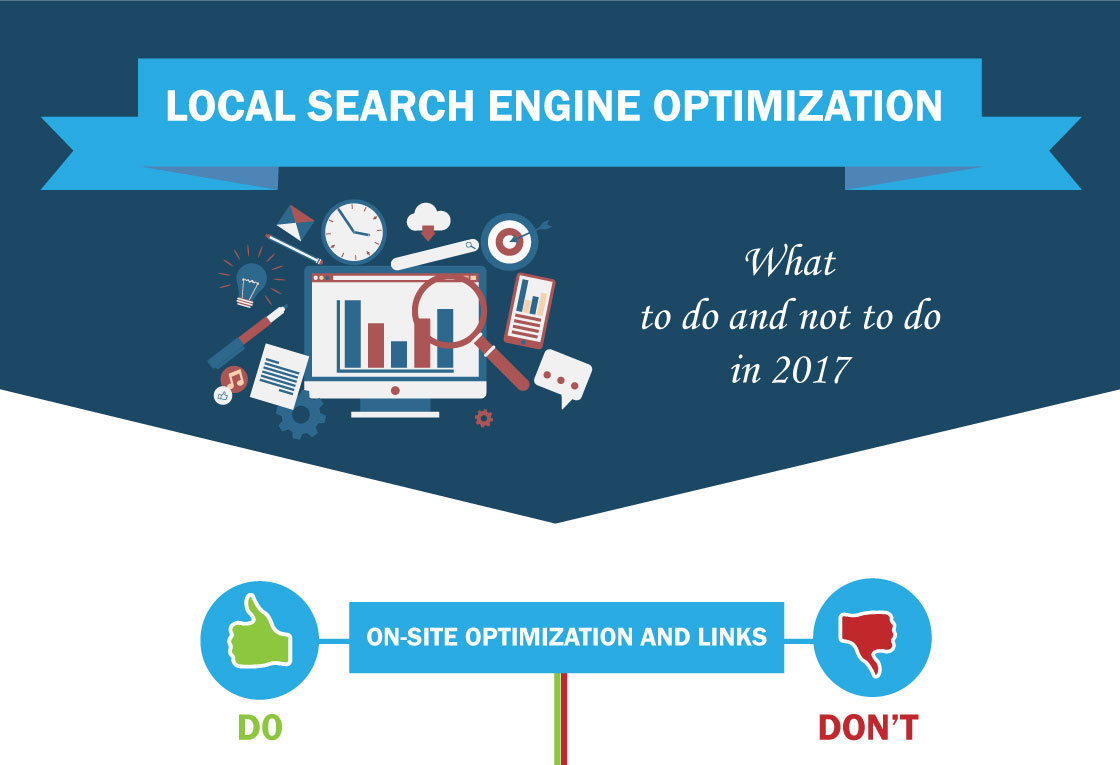
When in comes to search engine optimization, things change quickly. Google is constantly updating its algorithm to serve up better search results. Some things don't change much and some things change a lot. Here are our suggestions for what to do and what not to do when it comes to local SEO in 2017. Some of these are going to be things a lot of you know, like making sure your on page optimization includes contact information, address and phone number. There are a few things we find that people forget or neglect, like auditing your citation listings to make sure that the bulk of your listings are coming from high quality sites.
When it comes to links, reviews and citations, quality prevails over quantity. One of the other good things you should do is head over to Moz.com and use their listing finder to make sure you don't have a bunch of inconsistent NAP listings floating around the net. It's hard to keep up with all the places your info can get listed but having inaccurate information out there can hurt your rankings. Use the following infographic as a guideline on what things you need to be accounting for when it comes to local search engine optimization.
Reviews are fast becoming one of the most important factors for getting people to use your business. From increasing visibility via search engine rankings to instilling buyer confidence, reviews (as opposed to testimonials) are playing an ever increasing role. That being the case, it should be pretty obvious that you don’t just want a high number of reviews but a high number of POSITIVE reviews. If your company provides outstanding service, this shouldn’t be terribly difficult, but there are some practices that you can employ to ensure that you are getting those 5 star reviews that your company needs and deserves. It’s all about the details. How you ask for a review, when you ask for it, and why you ask for it all come into play.
Responsive Web design is an approach whereby a designer creates a Web page that “responds to” or resizes itself depending on the type of device it is being seen through. That could be an oversized desktop computer monitor, a laptop, a 10-inch tablet, a 7-inch tablet, or a 4-inch smartphone screen.
Responsive Web design has become one of the hottest trends in 2013. This is due in part to the growth of smartphones and other mobile devices. More people are using smaller-screen devices to view Web pages.
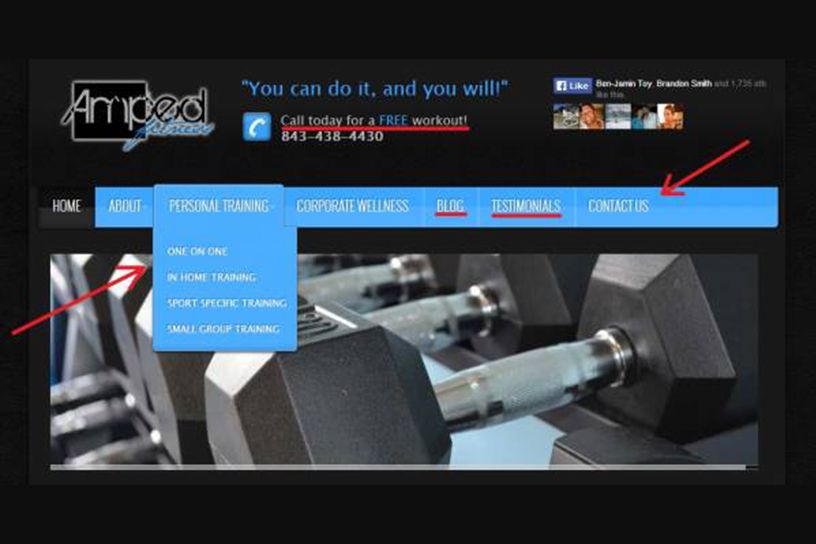
We’ve seen (and created) many successful small business websites, but we’ve seen far more that are, to put it nicely, “lacking.” By that I don’t just mean ugly, but sites that aren’t customer friendly and/or give visitors any good reason to do business there. So what makes the difference? Here are ten components that should be on your small business website to make it effective and outstanding.